
Construction hoist safety devices
SAJ Construction Hoist Safety Devices: Model Compatibility
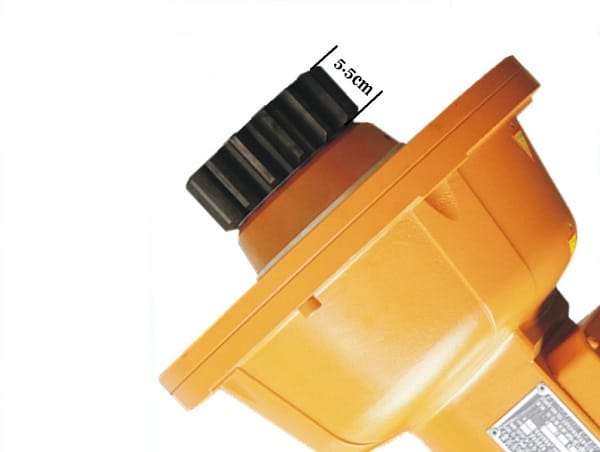
Pinion-and-cone progressive anti-fall devices for compatible construction hoists. Compare the listed SAJ models, then confirm the nameplate, mounting and calibration requirements for the specific hoist.
| Device type | Pinion-and-cone progressive anti-fall device |
|---|---|
| Application | Compatible rack-and-pinion construction hoists |
| Model families | SAJ30 / SAJ40 / SAJ50 / SAJ60 |
Product role and applications
A SAJ progressive anti-fall device is a protective component for compatible rack-and-pinion construction hoists. It responds to an overspeed condition rather than providing normal powered lifting. Selection therefore concerns the relationship between the device, the hoist and its approved operating configuration, not only the model family name.
Structure and compatibility
The pinion interface, mounting dimensions and calibrated tripping speed must match the hoist specification. The cone-based braking arrangement is a safety assembly with model-specific documentation. Similar markings or appearance do not establish cross-brand interchangeability; inspection and any work after activation require the applicable manufacturer procedure and competent personnel.
Features in practical use
Progressive braking concerns the protective stopping action after the device trips. It is different from the hoist normal drive and service brake. Keep the exact device identification with its inspection and calibration documents so that replacement selection can be checked against the hoist installation.
Specifications
| Device type | Pinion-and-cone progressive anti-fall device |
|---|---|
| Application | Compatible rack-and-pinion construction hoists |
| Model families | SAJ30 / SAJ40 / SAJ50 / SAJ60 |
| Selection basis | Exact model, hoist data, mounting and calibrated tripping speed |
Available configurations
| SAJ30-1.2 | 30 kN / 1.2 m/s |
|---|---|
| SAJ30-1.2A | 30 kN / 1.2 m/s |
| SAJ30-1.4 | 30 kN / 1.4 m/s |
| SAJ30-1.6 | 30 kN / 1.6 m/s |
| SAJ40-1.2 | 40 kN / 1.2 m/s |
| SAJ40-1.2A | 40 kN / 1.2 m/s |
| SAJ40-1.4 | 40 kN / 1.4 m/s |
| SAJ40-1.6 | 40 kN / 1.6 m/s |
| SAJ40-2.0 | 40 kN / 2.0 m/s |
| SAJ50-1.2 | 50 kN / 1.2 m/s |
| SAJ50-2.0 | 50 kN / 2.0 m/s |
| SAJ60-1.2 | 60 kN / 1.2 m/s |
| SAJ60-2.0 | 60 kN / 2.0 m/s |
Technical guide
Configuration explained
No. Confirm the full device identification, mounting, pinion interface and calibrated tripping data against the hoist documentation. The device is separate from normal drive and service braking. A similar family label or appearance cannot justify substitution, recalibration or reset after activation.
- Hoist and rack arrangement
- Pinion interface
- Overspeed protection assembly
- Matched inspection and calibration records
What the device does
The SAJ series uses a pinion, centrifugal speed limiter and cone brake to provide progressive braking when the calibrated activation condition is reached. It is a component of the hoist safety system. Correct selection depends on the complete hoist configuration, not the appearance of the replacement device.
How to read the model comparison
The configuration table shows catalog rated braking load in kN followed by catalog rated braking speed in m/s. These values are not a statement of hoist payload or the required calibrated tripping speed. Confirm the full model suffix and current documentation before ordering.
Check replacement compatibility
Provide photographs of both the hoist and existing device nameplates, the mounting arrangement and the pinion. Include the hoist operating speed and rated load. A shared model family or an SC200 designation alone does not establish that two devices are interchangeable.
Documentation and service planning
Request the applicable model drawing, calibration information and inspection documentation for the proposed device. Installation, inspection and return to service require competent personnel and the equipment instructions. This catalog is for procurement and does not provide a field adjustment or reset procedure.
What changes the buying decision
A replacement SAJ device is a compatibility decision, not an upgrade based on a larger number. Match the complete nameplate designation, mounting interface and rack-and-pinion arrangement with the hoist documentation. The table's braking-load and speed values do not specify cage payload or a field adjustment. Inspection, testing and return to service belong to qualified personnel following the applicable manufacturer instructions.
Questions and answers
Is an SAJ device the same as a suspended-platform safety lock?
No. This series page covers construction-hoist anti-fall devices. ZLP suspended-platform safety locks belong to a different equipment system. Identify the machine and its original component before requesting a replacement.
What should I send with a replacement inquiry?
Send the full model and serial information, hoist nameplate, mounting dimensions, pinion details and required calibrated tripping speed. Include the quantity and destination, and identify the inspection documents required for the project.
Can a replacement be selected from the SAJ family name alone?
No. Compare the full identification and calibrated tripping information with mounting, pinion and hoist documentation before proposing a replacement.
Can a universal service life or reset interval be quoted?
No universal interval is established here. Use the applicable manufacturer documents and inspection records for the identified device and hoist.