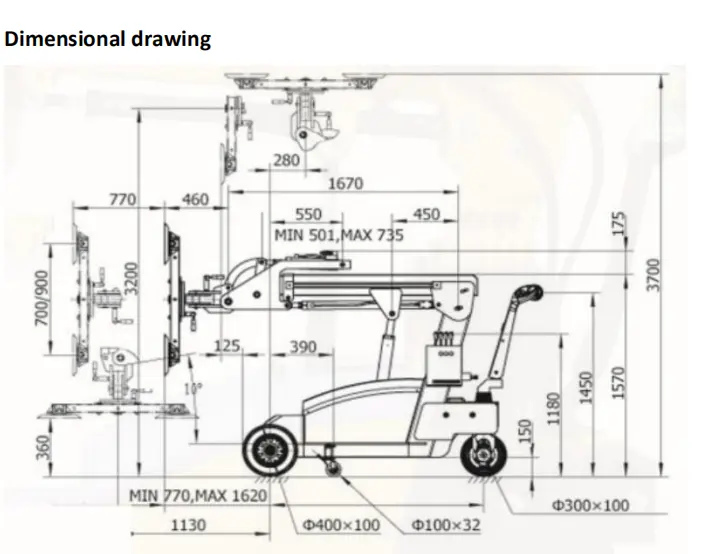
描述
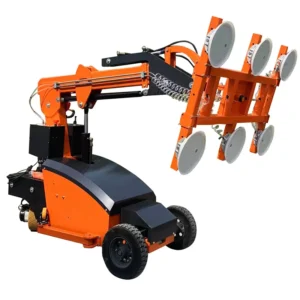
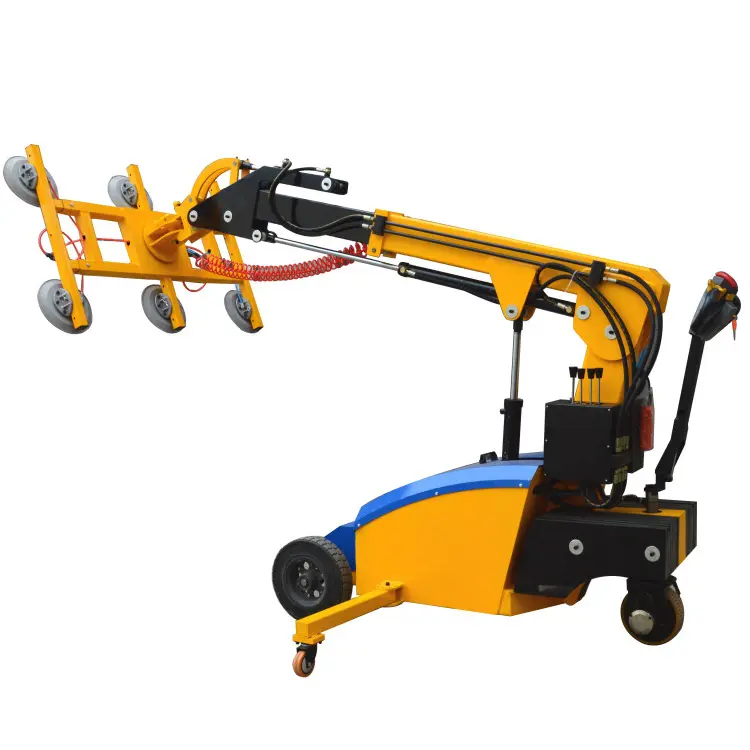
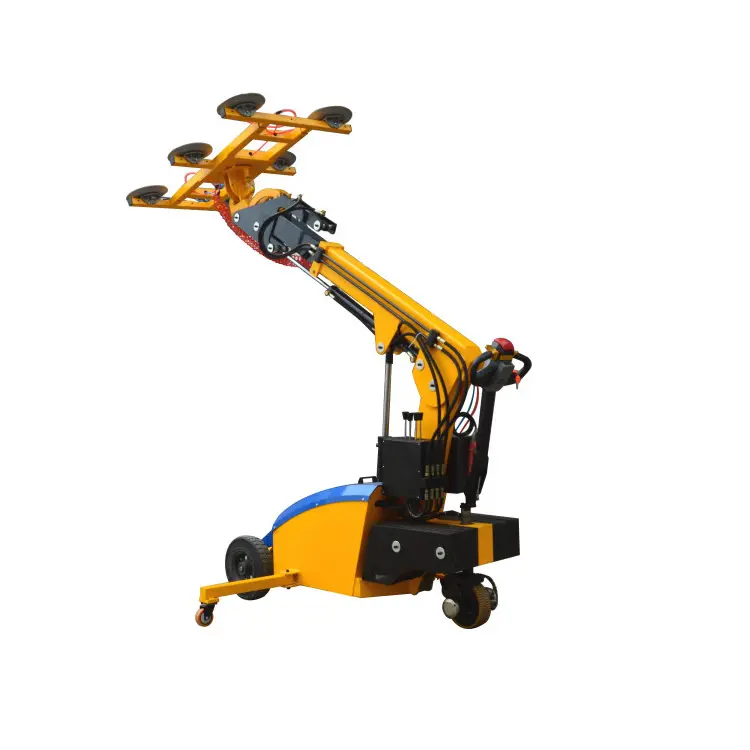
500kg Electric Glass Vacuum Lifter
This glass vacuum lifter is designed to lift, transport and position flat glass for processing, delivery and curtain wall installation. The mobile battery-powered machine combines vacuum suction, hydraulic lifting and controlled glass rotation in one handling system.
Main Specifications
| Item | Specification |
|---|---|
| Rated capacity | Up to 500 kg, subject to glass and pad conditions |
| Power | Rechargeable battery |
| Vacuum source | Onboard vacuum pump |
| Rotation | 360-degree manual rotation |
| Turnover | 90-degree manual turnover |
| Application | Flat glass transport and installation |
Vacuum and Monitoring System
The glass vacuum lifter uses multiple suction cups with individual control valves. Cup positions can be adjusted to suit different glass dimensions. The pressure display allows the operator to monitor vacuum condition before and during handling.
A dual-system or backup arrangement can help maintain holding performance if one circuit requires attention. The equipment must still be lowered immediately if an alarm, pressure loss or abnormal condition occurs.
Glass Handling Applications
- Movement of glass sheets in processing workshops
- Loading and unloading suitable glass panels
- Positioning glass for facade and curtain wall installation
- Controlled rotation and turnover during fitting
- Transport of large glass within the machine operating range
The machine should only be used for glass that is clean, dry, smooth and compatible with the suction-pad layout. Coated, patterned or damaged surfaces require a specific suitability check.
Preparing the Glass
Clean the suction area and remove dust, oil, protective-film wrinkles and loose labels. Position the pads evenly around the glass center of gravity. Confirm that every active pad has formed a complete seal.
Complete a low-height test lift before moving the glass. Keep personnel clear of the load path and never allow anyone beneath suspended glass.
Battery and Hydraulic Checks
Check battery charge, hydraulic hoses, cylinders, controls and emergency functions before each shift. A low battery can affect travel, lifting or vacuum performance. Follow the charging schedule and keep electrical connectors dry.
Selecting a Glass Vacuum Lifter
Provide the maximum glass weight, dimensions, thickness and surface type. Also specify the required lift height, rotation, turnover and travel conditions. These details determine the pad quantity, frame arrangement and suitable rated capacity.
For heavier or multi-material panels, compare the 400 kg to 800 kg mobile vacuum lifter.
Maintenance
Inspect suction cups for cuts, hardness and contamination. Replace damaged seals, leaking hoses and faulty valves before operation. Clean vacuum filters and maintain the battery and hydraulic system according to the manual.
Vacuum Failure Protection
The glass vacuum lifter should provide pressure monitoring and an audible or visible warning if vacuum level falls. A reserve or backup system can give the operator time to lower the glass after a pump, hose or power problem. The load must not remain suspended longer than required.
Review the UK Health and Safety Executive vacuum lifting equipment guidance when preparing operating procedures. It addresses equipment suitability, risk assessment, training and protection against falling loads. Local requirements and the equipment manual still govern the work.
Inspection Records and Storage
Record daily checks, scheduled examinations, repairs and component replacement. Store the machine with the lifting arm secured and the pads protected from deformation, sunlight and contamination. Do not use the machine if alarms, gauges, vacuum circuits or structural parts are defective.
Glass Size and Center of Gravity
Rated capacity does not by itself confirm suitability. Long or narrow glass can create high leverage on the pad frame even when its weight is below 500 kg. Provide the glass dimensions and center-of-gravity information so the suction cups can be positioned correctly.
Use enough active pads to distribute the load and keep the glass balanced during rotation. The glass vacuum lifter must not be used when a pad cannot contact the surface fully.
Transport Planning
Check doorway width, floor loading, turning space and the route to the installation point. Secure the lifting arm during transport and protect suction cups from impact. For site delivery, confirm packaging dimensions and unloading equipment.
Request a Quotation
See the full glass lifting equipment range. For a glass vacuum lifter quotation, send the glass dimensions, maximum weight, required motions and destination port.